Restoring Zambia’s Landscapes, Rooted in Local Wisdom
Synopsis
At Action for Nature , our Community-Based Reforestation Project is a powerful step toward healing degraded landscapes, conserving biodiversity, and building climate resilience, led by the very communities who call these lands home. This initiative focuses on planting indigenous tree species , combining traditional ecological knowledge with science-based restoration practices.
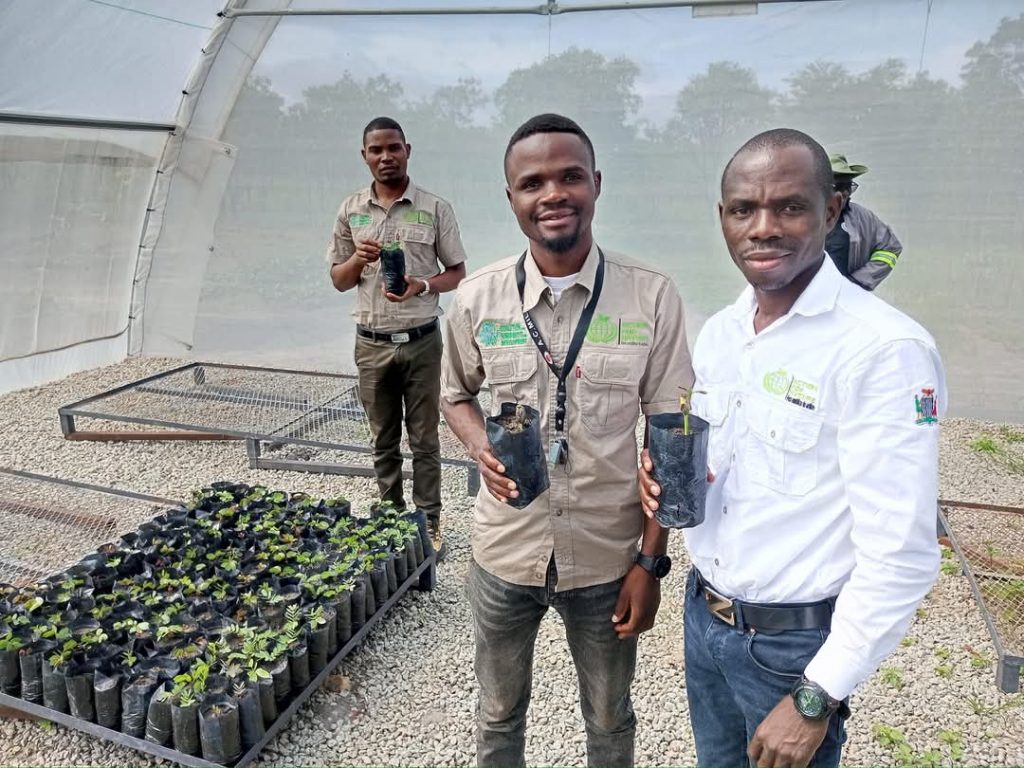
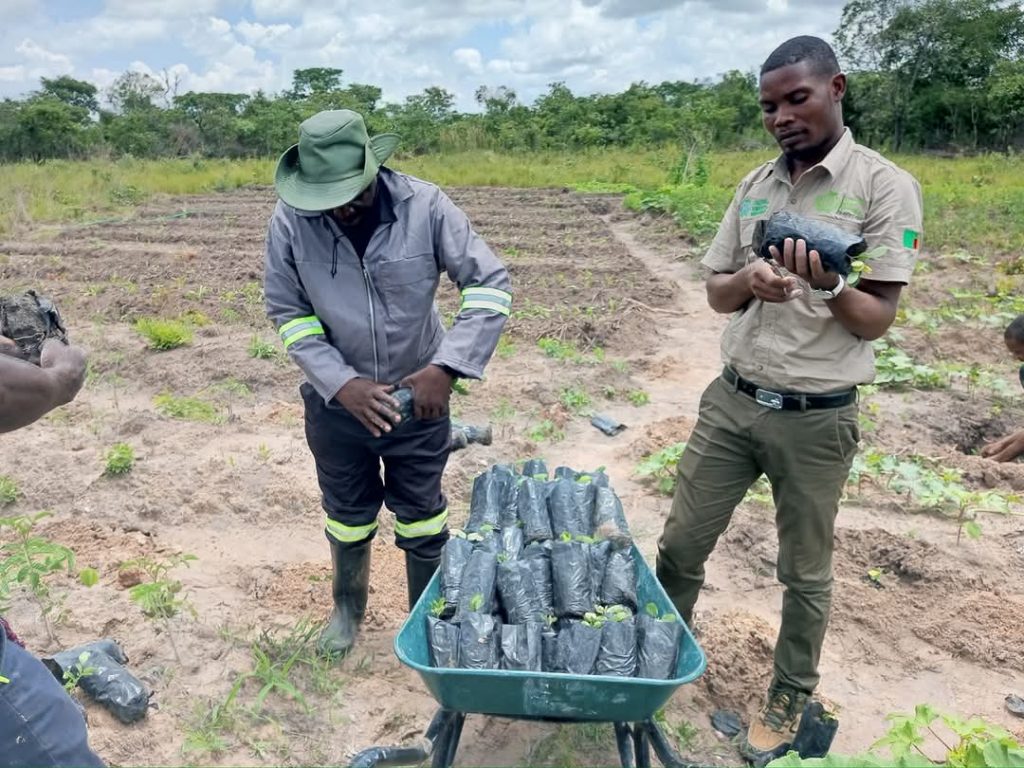
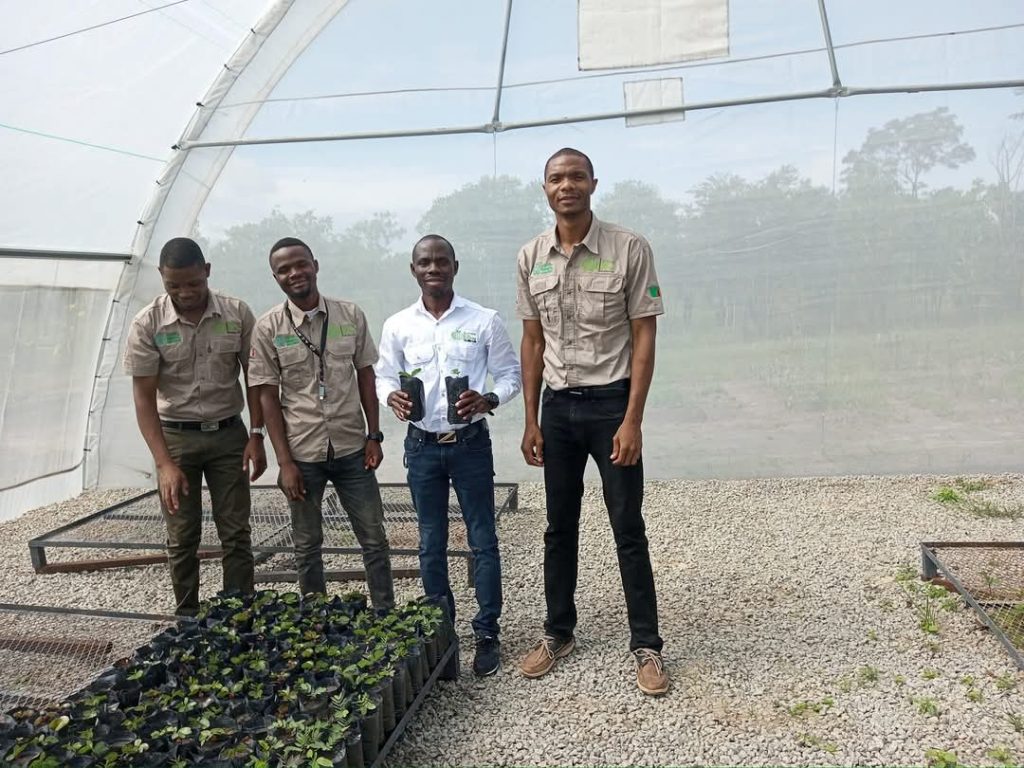
Working in partnership with local farmers, traditional leaders, Indigenous groups, and government agencies, we identify degraded areas, establish nurseries for native seedlings, and implement community-led agroforestry and reforestation . These efforts not only enhance the health of local ecosystems but also create sustainable livelihoods through intercropping, eco-enterprise, and participation in carbon credit programs. By empowering communities, especially youth and marginalized groups, to lead in planning, planting, and long-term forest stewardship, we ensure that restoration is not only ecological,
but social and economic as well.
What We Do
● Conduct ecological site assessments and engage communities in land restoration planning
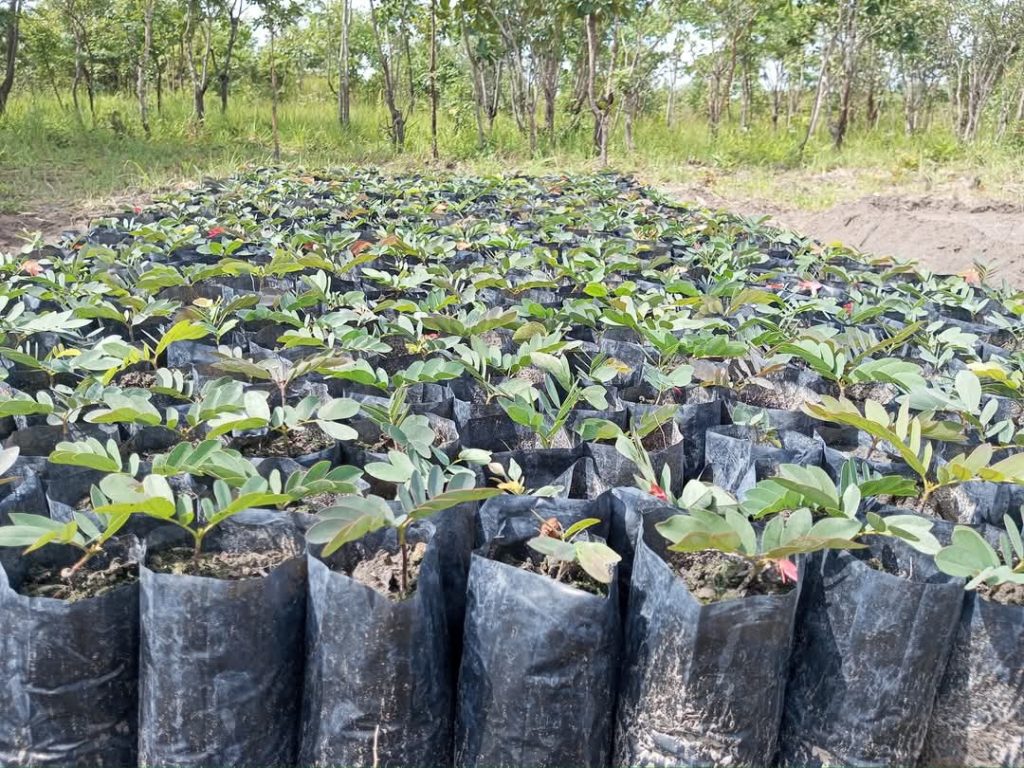
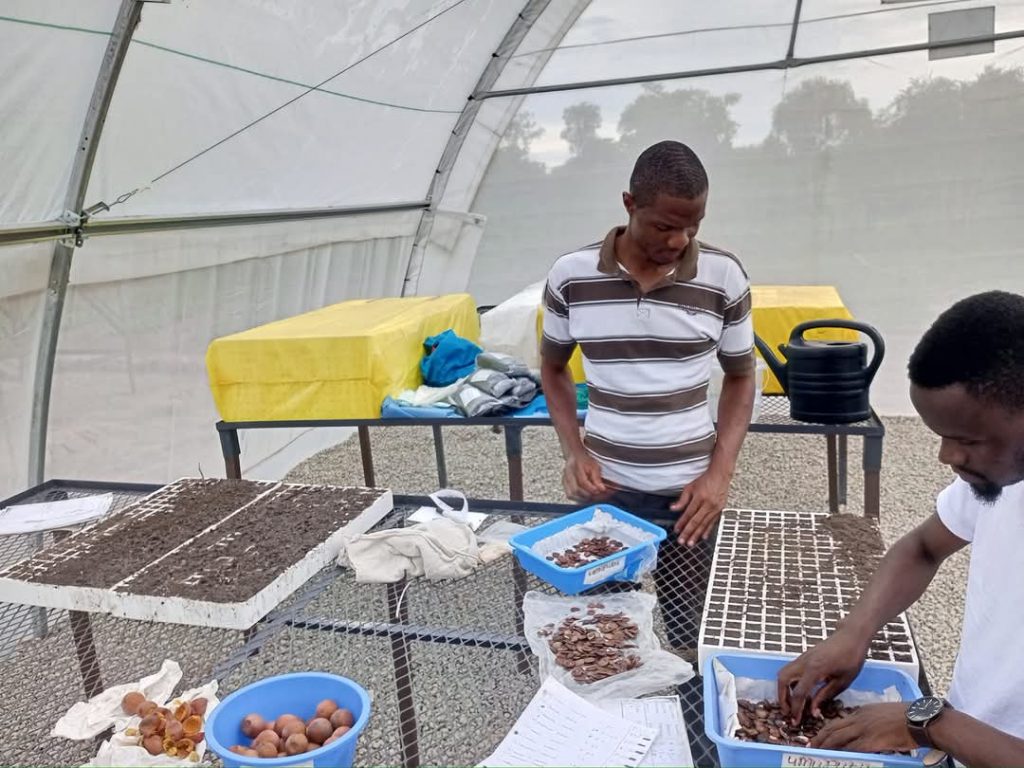
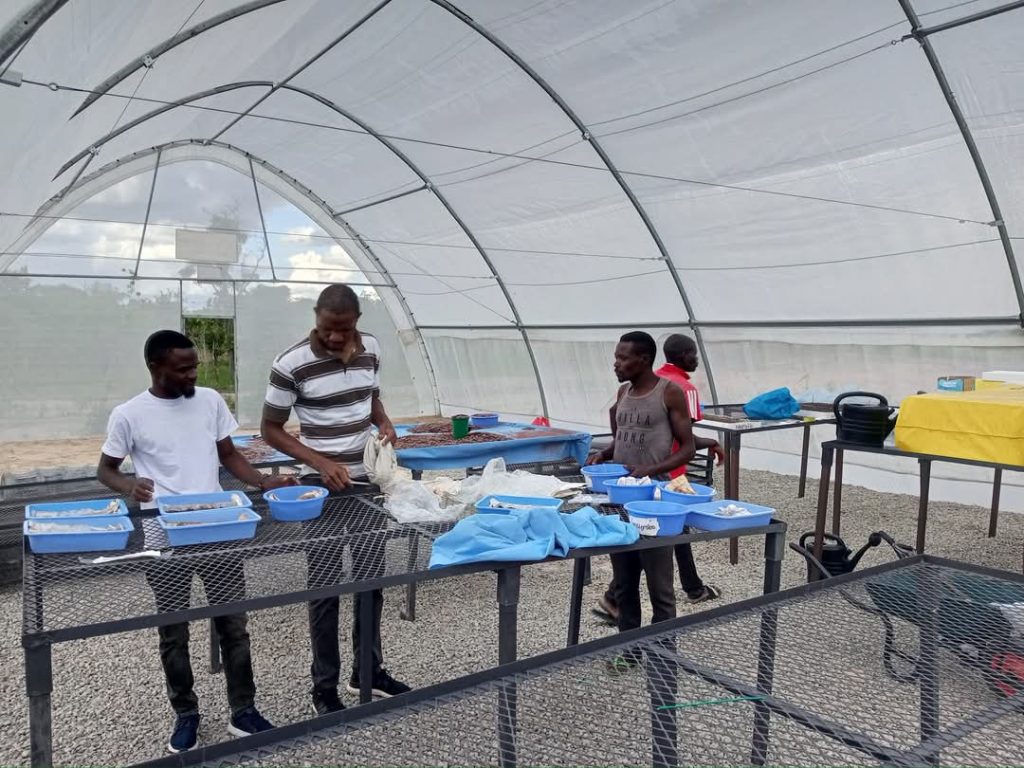
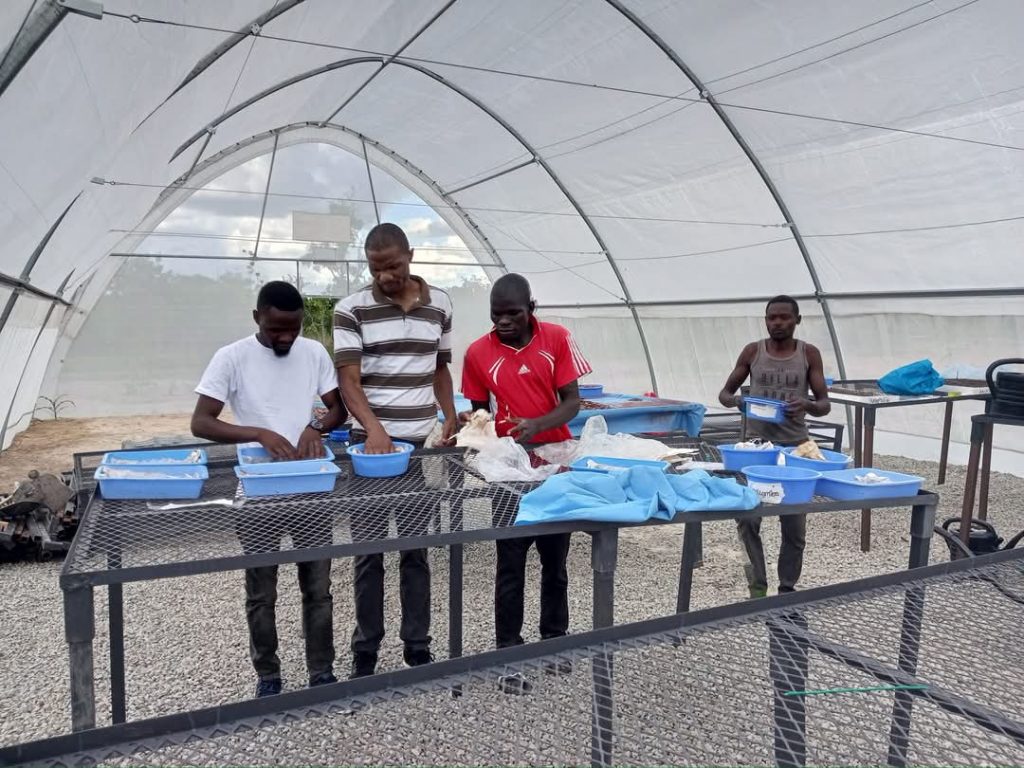
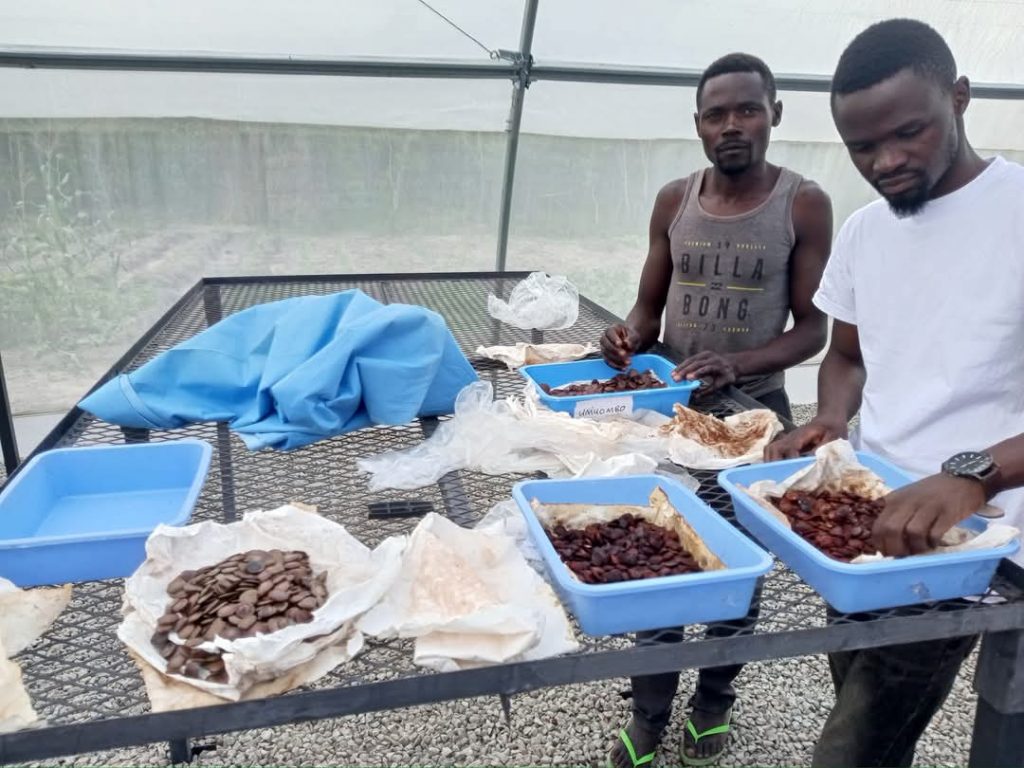
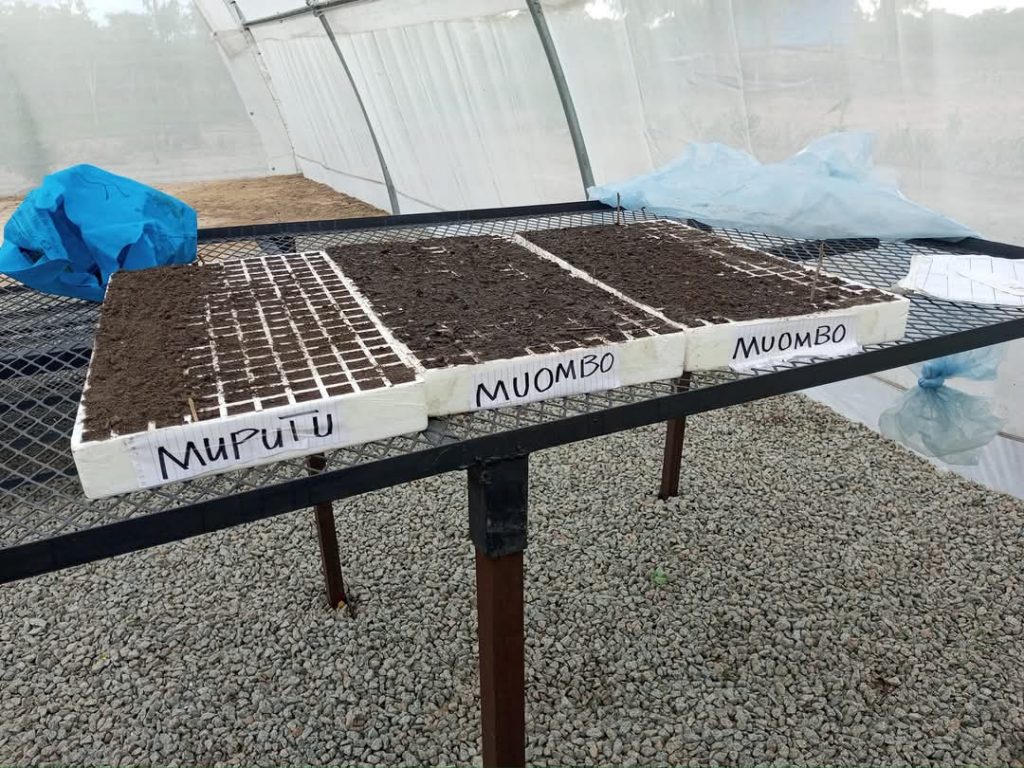
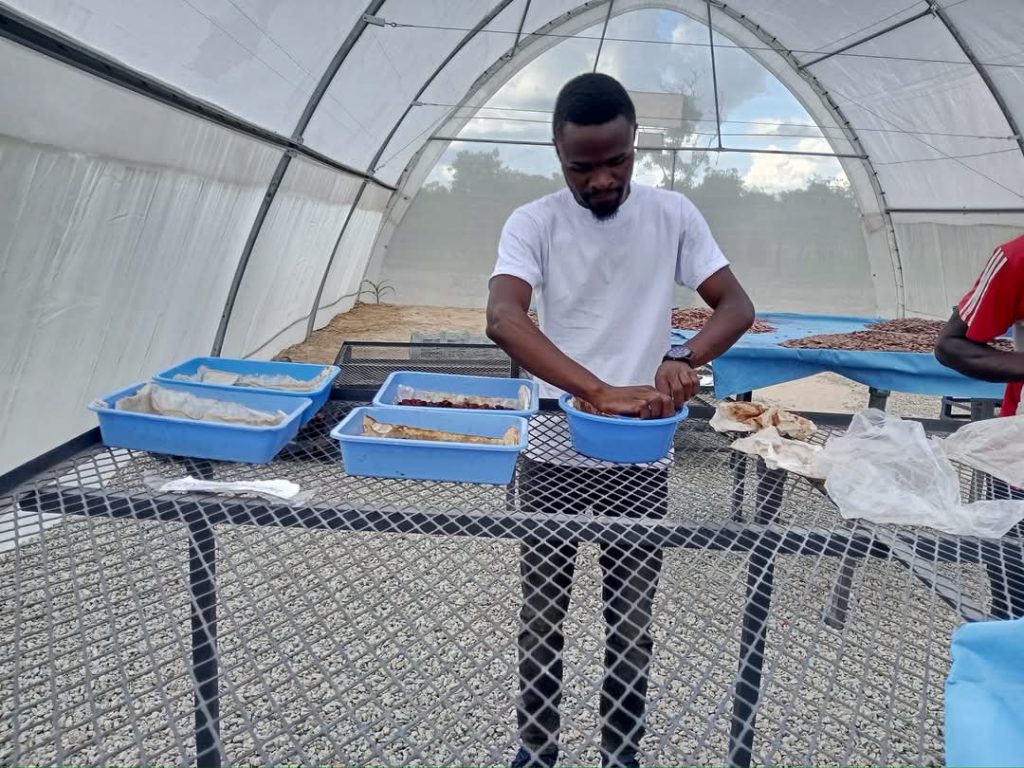
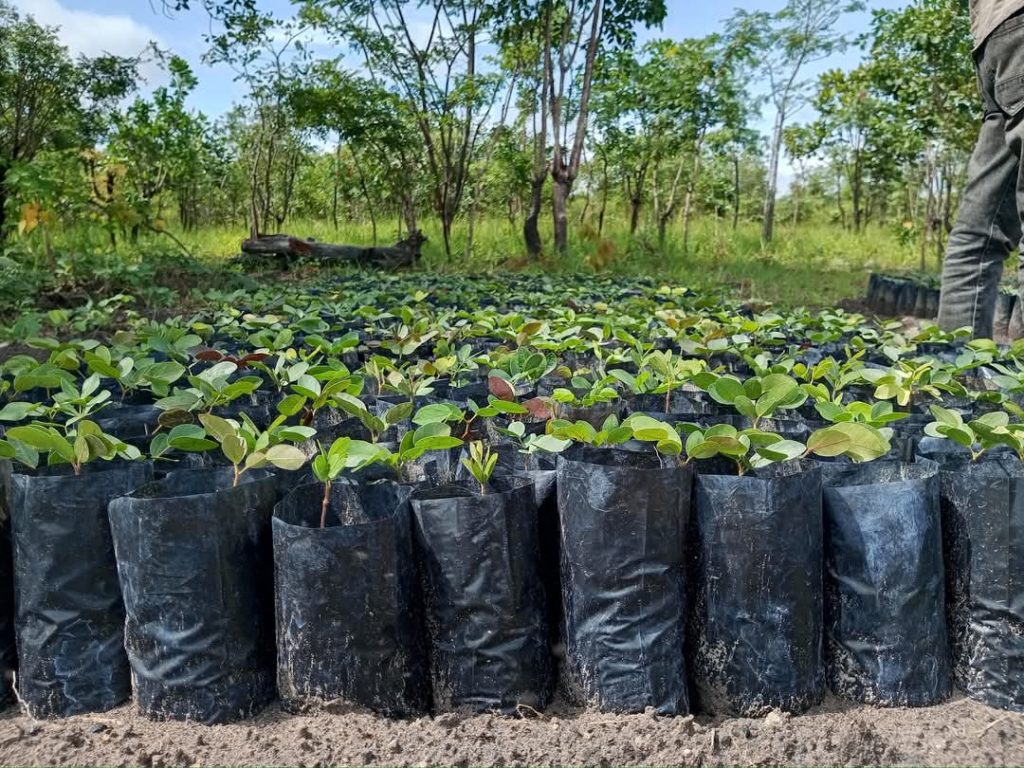
● Establish indigenous tree nurseries using local knowledge and climate-resilient species
● Facilitate community-led planting, agroforestry design, and intercropping strategies
● Support access to carbon markets and sustainable forest-based incomes
● Monitor reforestation using remote sensing, NDVI tools, and community audits
Why It Matters
This project is more than trees, it’s about restoring Zambia’s natural heritage, strengthening rural resilience, and ensuring that people and nature thrive together . As part of our 2025 strategic vision, this work reflects our commitment to nature-based solutions, climate justice , and local empowerment .
Key Features
● Indigenous Species Focus : Native trees that rebuild habitat and reflect cultural ties to the land
● Community Ownership : Designed, led, and sustained by local communities
● Climate Impact : Long-term carbon sequestration and access to carbon credit revenues
● Smart Monitoring : Satellite imagery and local tracking for adaptive, transparent results